
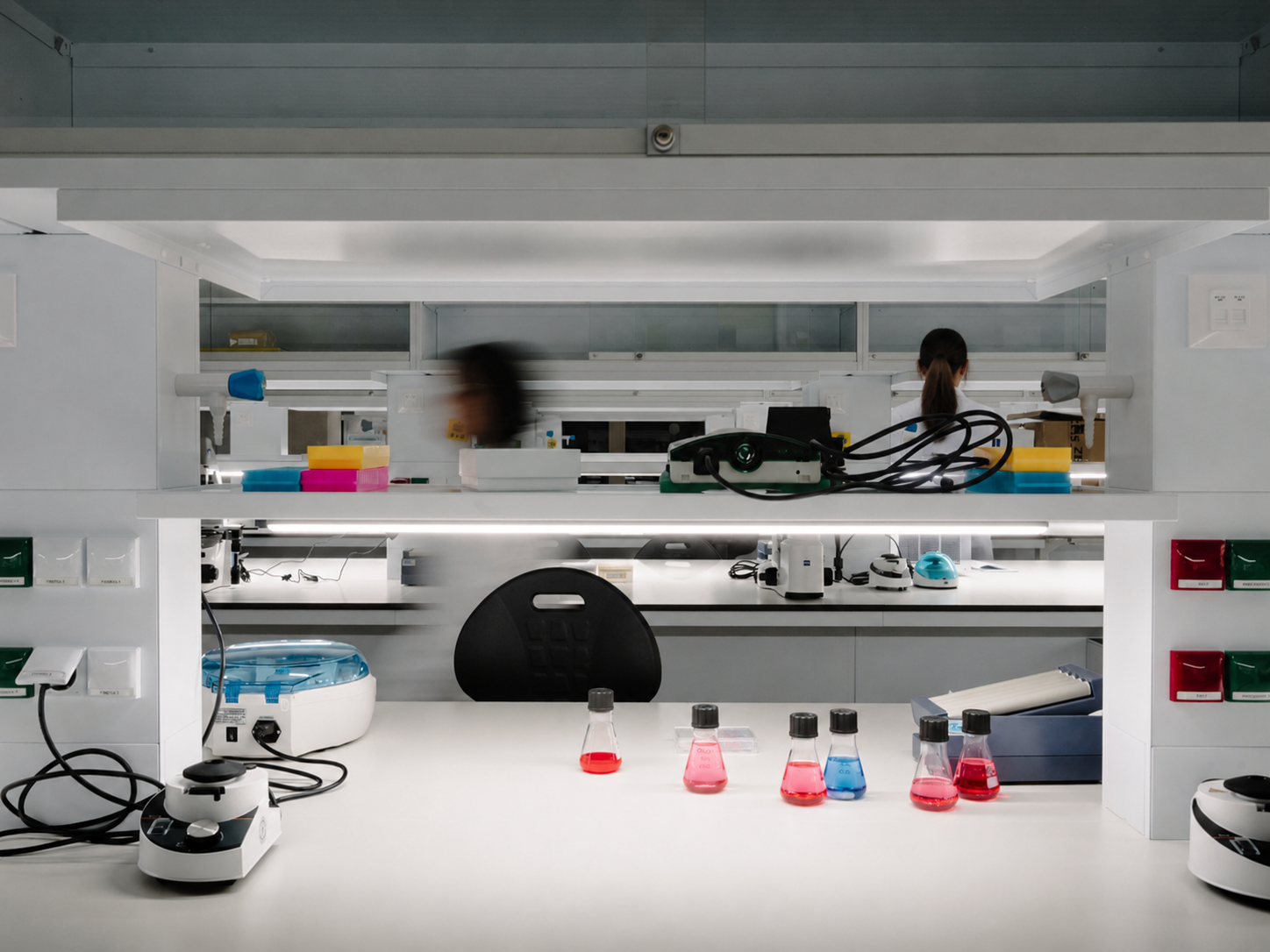
Huerga-Encabo Lab
General description
The Huerga-Encabo Laboratory investigates how clonal haematopoiesis emerges and evolves throughout life and how it shapes the immune response to environmental challenges. By studying the expansion of genetically altered blood cell clones, the team seeks to understand how age-related changes in the haematopoietic system influence immune function and disease susceptibility.
Their research aims to clarify how somatic mutations in hematopoietic stem cells alter immune cell development within the bone marrow and drive functional alterations in peripheral tissues. To address these questions, the group combines innovative experimental models with cutting-edge technologies, including humanised mouse systems, genome editing of primary human stem cells, high-dimensional flow cytometry and single-cell multiomics approaches. Their work integrates in vivo and ex vivo analyses with computational methods and close collaboration with clinical partners.
“The new normal is to be mutant” and, as the population ages, the group seeks to uncover the mechanisms linking clonal evolution to immune dysfunction throughout a person's life. Ultimately, this work aims to identify novel therapeutic targets and strategies to mitigate age-associated immune dysregulation.
Projects
Developing strategies for the early identification of clonal haematopoiesis and predicting related diseasesUnderstanding how clonal haematopoiesis alters immune cell ontogeny and function
Exploring how environmental factors shape the emergence and evolution of clonal blood cell populations over the lifetime
The Huerga-Encabo Laboratory investigates how clonal haematopoiesis emerges and evolves throughout life and how it shapes the immune response to environmental challenges. By studying the expansion of genetically altered blood cell clones, the team seeks to understand how age-related changes in the haematopoietic system influence immune function and disease susceptibility.
Their research aims to clarify how somatic mutations in hematopoietic stem cells alter immune cell development within the bone marrow and drive functional alterations in peripheral tissues. To address these questions, the group combines innovative experimental models with cutting-edge technologies, including humanised mouse systems, genome editing of primary human stem cells, high-dimensional flow cytometry and single-cell multiomics approaches. Their work integrates in vivo and ex vivo analyses with computational methods and close collaboration with clinical partners.
“The new normal is to be mutant” and, as the population ages, the group seeks to uncover the mechanisms linking clonal evolution to immune dysfunction throughout a person's life. Ultimately, this work aims to identify novel therapeutic targets and strategies to mitigate age-associated immune dysregulation.
Developing strategies for the early identification of clonal haematopoiesis and predicting related diseases
Understanding how clonal haematopoiesis alters immune cell ontogeny and function
Exploring how environmental factors shape the emergence and evolution of clonal blood cell populations over the lifetime
Understanding how clonal haematopoiesis alters immune cell ontogeny and function
Exploring how environmental factors shape the emergence and evolution of clonal blood cell populations over the lifetime
Principal investigator
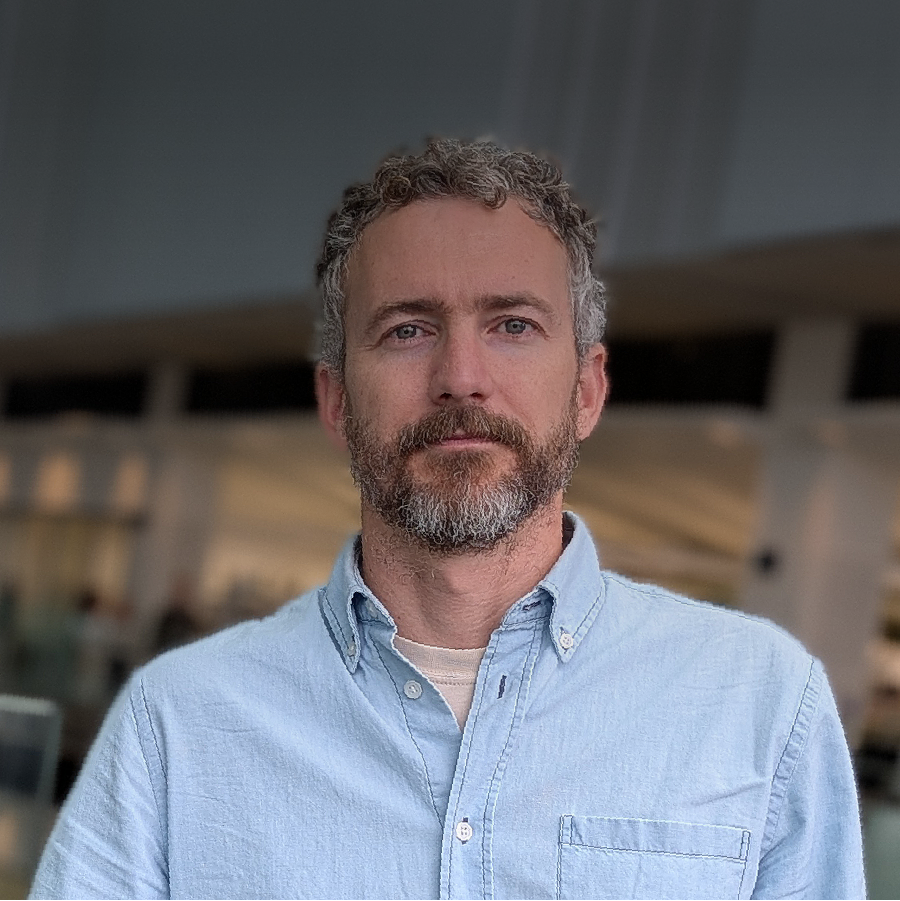
Héctor Huerga-Encabo
Junior Group Leader
Group members

Nicolás Daniel Dho
Postdoctoral Researcher